Mohair Matters: Building a Responsible and Transparent Supply Chain
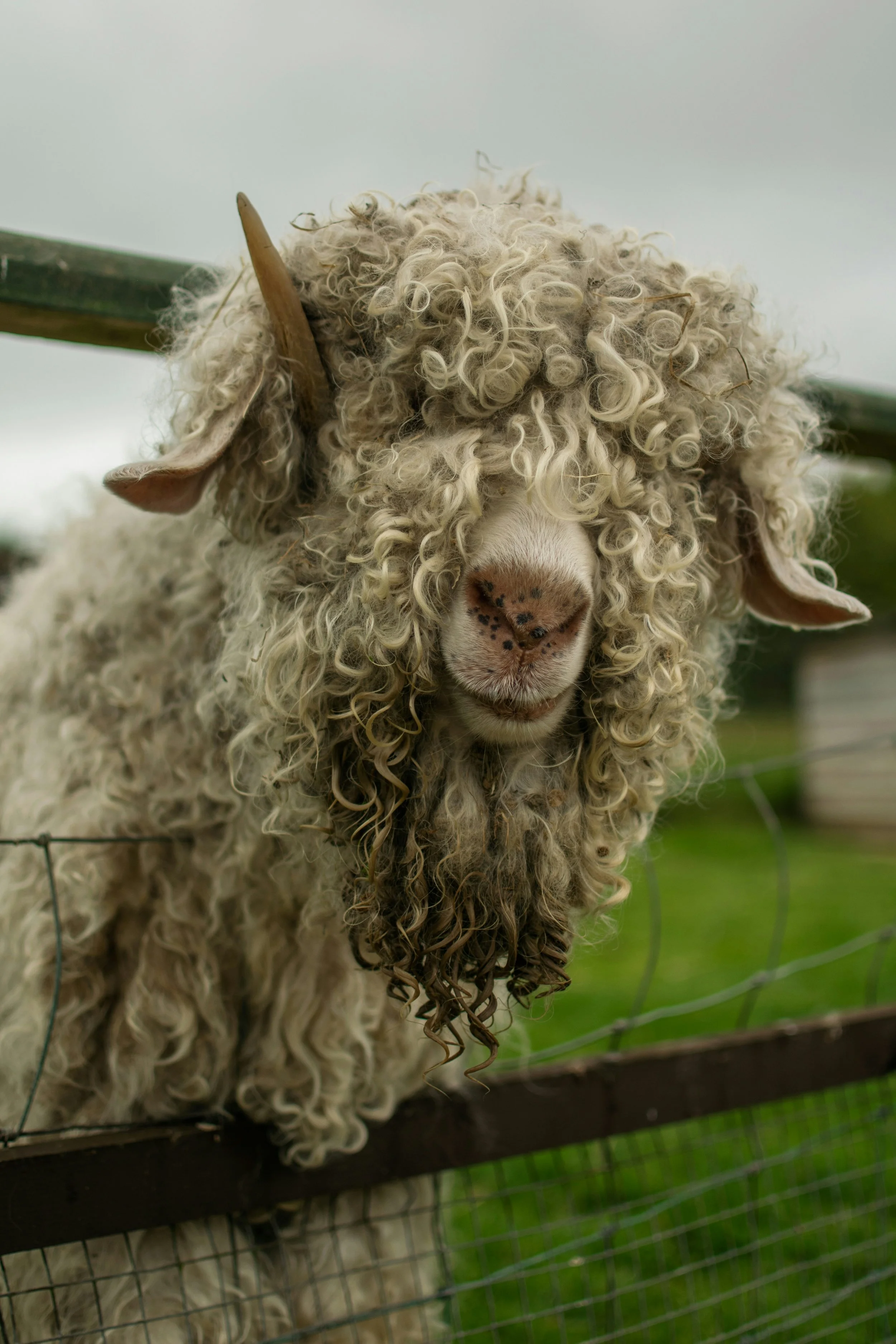
Mohair, harvested from the Angora goat, is a celebrated natural fiber known for its silky sheen, durability, and distinctive halo. From luxury knitwear to elegant home textiles, it combines softness with strength, making it a favorite for high-end products. But alongside its beauty lies responsibility: mohair production has faced ethical and environmental scrutiny. Today, conscious brands are rethinking how they source this “noble fiber,” prioritizing transparency, animal welfare, and circularity.
What Is Mohair?
Mohair is a natural protein fiber composed of keratin, shorn from the Angora goat. Its smooth, flat cuticle scales reflect light beautifully, giving it a lustrous shine and airy texture. Key qualities include:
Durable and resilient: Naturally strong, resists pilling, stretching, and wrinkling.
Hydrophilic: Absorbs moisture vapor for excellent breathability and comfort in varied climates.
Insulating: Its medullated structure—partially air-filled cells—reduces density and improves thermal regulation.
Global Sourcing
Commercial mohair is primarily sourced from South Africa, producing roughly 50–60% of the world’s supply. Other key regions include Texas, USA, and Turkey. South Africa leads due to large-scale, organized farming, strong infrastructure, and adoption of sustainability standards such as the Responsible Mohair Standard (RMS).
Types of Mohair
Kid Mohair: The softest, finest, and most prized fiber—ideal for luxury knitwear worn close to the skin.
Adult Mohair: Coarser and stronger—best suited for upholstery, carpets, outerwear, and durable textiles.
The Shadow of Conventional Mohair
Despite its luxury status, conventional mohair production has faced serious ethical and sustainability challenges:
Animal Welfare: Investigations revealed rough handling during shearing, cuts and wounds left untreated, dehorning and castration without pain relief, and exposure to cold or rain, which can lead to illness or death.
Land Stewardship: Without controlled pasture rotation, Angora goats can contribute to overgrazing, soil erosion, and vegetation loss.
Social & Economic Challenges: Small farmers, particularly in South Africa, are often underpaid due to opaque markets and middlemen purchasing fiber at extremely low prices (~$4/kg) while finished garments sell for hundreds, undermining rural livelihoods.
Cultivating Change: A Better Mohair Industry
Responsible Mohair Standard (RMS): Administered by Textile Exchange, RMS ensures humane treatment of goats, better grazing and land management, third-party audits, and traceable chains of custody. For responsible brands, RMS certification is essential.
Advancing Circularity: Recycled mohair, using pre- and post-consumer waste, reduces reliance on virgin fiber. NGOs like Mohair South Africa and the Mohair Empowerment Trust support small producers, improve transparency, and build farmer capacity.
Empowering Producers: Brands can drive impact by forming long-term farm partnerships, supporting direct procurement, funding infrastructure improvements like shearing sheds or shelter, and paying premiums for certified fiber.
Navigating Labels: What Brands Should Look For
RMS: Assurance of humane treatment and responsible land management.
GOTS: Guarantees organic practices and restricts harmful chemicals.
RCS / GRS: Verifies recycled mohair content (GRS includes social + environmental criteria).
OEKO-TEX Standard 100: Ensures the finished product is free of harmful substances.
Circularity & End-of-Life
Mohair’s natural properties support circularity:
Durability: Resists pilling and stretching, extending garment life.
Biodegradability: 100% natural protein fiber decomposes without harming soil.
Recyclability: Strong enough to be shredded, respun, and reused.
Care: Gentle handwashing and flat drying preserves shape and halo for decades.
Technical Summary: How Mohair Performs
Moisture Management: Hydrophilic; moisture regain ~13–15%; breathable and stays dry to the touch.
Thermal Regulation: Medullated fibers provide lightweight insulation; warm in cold weather, comfortable in heat.
Strength & Durability: Among the strongest natural fibers; excellent abrasion resistance.
Drape & Handle: Smooth scales for silky feel, high luster, and fluid drape without bulk.
Elasticity: Lower than wool—stable shape, minimal felting.
Circular Properties: Fully biodegradable and strong for recycling.
Best Uses for Mohair
Apparel: Luxury knitwear (kid mohair), lightweight sweaters, cardigans, scarves, performance layers, outerwear blends.
Home Textiles: Throws, blankets, decorative textiles, durable upholstery, rugs, and carpets.
Blends: Adds luster, strength, and longevity to wool, silk, or nylon.
Resource Guide: Stakeholders, Suppliers & Mills
If you’re looking to add mohair to your next collection, these staekholers, suppliers and mills prioritize traceability, animal welfare, and responsible land management.
Key Mohair Stakeholders by Region
If you’re looking to add mohair to your next collection, these stakeholders, suppliers, and mills prioritize traceability, animal welfare, and responsible land management.
1. Mohair South Africa (South Africa)
Mohair South Africa is the leading authority on South African mohair, providing traceable, ethically sourced fiber from certified farms while supporting sustainable land management and small‑scale farmers.
2. Mohair Empowerment Trust (South Africa)
Website: https://www.mohair.co.za/mohair-blog/msa-mohair-empowerment-trust
The Trust supports emerging and historically disadvantaged farmers by providing goats, training, and guidance to achieve commercial production and meet Responsible Mohair Standard (RMS) requirements. This empowers local communities and strengthens ethical supply chains.
3. Mohair Council of America (Texas, USA)
Website: https://mohairusa.com/
The Mohair Council of America represents U.S. producers, supplying high‑quality Angora fiber while promoting responsible farming practices and transparent, traceable supply chains.
4. Turkish Mohair Association (Turkey)
Resource: https://www.tiftik.com.tr/
Historically, Türkiye Tiftik Cemiyeti (the Turkish Mohair Association) was founded in 1930 to improve Angora goat breeding and market Turkish mohair internationally. Today, tiftik.com.tr serves as a central resource on Turkish mohair production, quality standards, and trade.
Mills That Spin & Process Mohair
1. Stucken Group (Stucken Yarns / Gubb & Inggs — South Africa)
Website: https://www.stucken.co.za/
A vertically integrated processor handling scouring, combing (at Gubb & Inggs), spinning (Stucken Yarns), dyeing, and weaving (at Hinterveld). Stucken is known for versatility and sustainability, serving both apparel and home textile markets.
2. SAMIL Natural Fibres (South Africa)
Website: https://www.samil.co.za/
SAMIL is a global leader in spinning fine and fancy mohair yarns, offering custom dyeing, blends (including with wool), and serving hand‑knitting, weaving, and décor markets. Ethical sourcing and fiber traceability are core to its operations.
3. Adéle’s Mohair (South Africa / UK presence)
Website: https://www.thenaturalfibre.co.uk/about-us/
A boutique, labour‑intensive cottage industry founded in 1983, Adéle’s Mohair produces designer knitting yarns, accessories, and home textiles. The company emphasizes fair trade, green standards, and artisanal craftsmanship.
4. Alvigini (Italy)
Website: https://www.alvigini.it/en/camelidi
Alvigini specializes in natural fibers from camelids and mohair. They focus on small‑scale, high‑quality processing with attention to ethical sourcing and sustainability, offering premium fibers for apparel and technical textiles.
5. Mohair Ferla (Italy)
Website: http://www.mohairferla.com/en/#about-us
Mohair Ferla produces high‑quality mohair yarns and fabrics rooted in traditional craftsmanship. The company emphasizes ethical sourcing, traceability, and serves both fashion and interior markets with artisanal quality and modern standards.