Yak Wool: Building a Responsible and Transparent High-Altitude Supply Chain
Yak Wool: Building a Responsible and Transparent High-Altitude Supply Chain
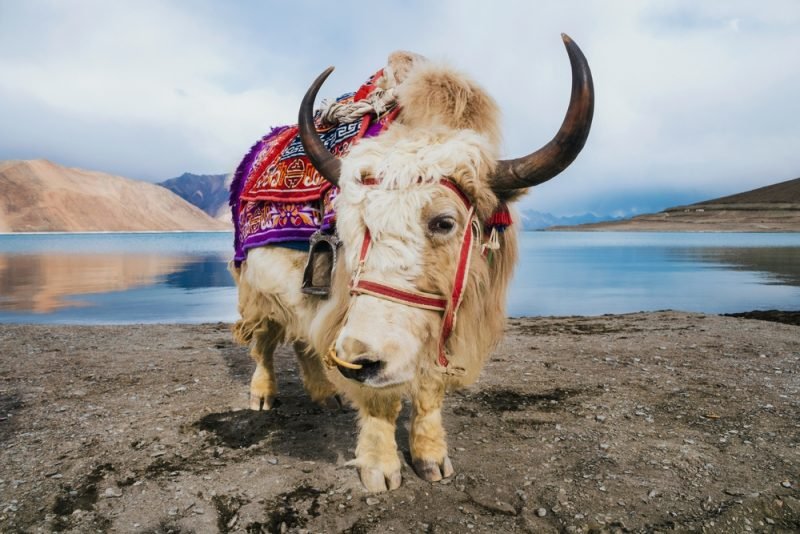
Yak wool is one of the world’s most extraordinary natural fibers—rare, resilient, and deeply connected to place. Harvested from yaks living across the Tibetan Plateau, the Himalayas, Mongolia, Nepal, and Bhutan, this fiber is celebrated for its cloud-like softness, exceptional warmth, and lightweight drape. Often compared to cashmere yet more durable, yak wool represents a quieter form of luxury—one shaped by altitude, climate, and centuries-old nomadic stewardship.
When sourced responsibly, yak wool supports pastoral livelihoods, protects fragile alpine ecosystems, and offers brands a powerful example of what low-impact, circular fiber systems can look like when scale is approached with restraint.
What Is Yak Wool?
Yak wool refers primarily to the animal’s fine undercoat (“yak down”), which grows beneath a layer of coarse guard hair to protect the yak from extreme cold. This down typically measures 16–20 microns, placing it firmly within the luxury fiber category.
Unlike industrial livestock systems, yaks are not intensively shorn. Fiber is collected during seasonal molting, either through gentle combing or by gathering naturally shed fiber—methods that prioritize animal welfare and preserve fiber quality.
Key characteristics
Exceptionally soft: Comparable to high-grade cashmere
Warm yet lightweight: High warmth-to-weight ratio
Breathable: Comfortable across wide temperature ranges
Naturally colored: Rich browns, greys, taupes, and creams reduce dye needs
Global Sourcing & Pastoral Systems
Yak wool is produced almost exclusively in high-altitude regions above 3,000 meters, where few other livestock can survive. Major sourcing regions include:
The Tibetan Plateau (China)
Mongolia
Nepal (Dolpo & Mustang)
Bhutan
Himalayan regions of India
Yaks roam freely on alpine grasslands, feeding on native vegetation. Their migratory grazing patterns exert less pressure on soil than fenced or feedlot systems, making yak pastoralism one of the lowest-impact animal fiber systems when properly managed.
From Herd to Hand: How Yak Wool Is Made
Yak wool’s transformation from animal to garment relies more on human skill than mechanization.
From Herd to Hand: How Yak Wool Is Made
This system preserves both fiber integrity and traditional herding knowledge.
Pastoral Grazing – Free-ranging herds graze seasonally, maintaining grassland health.
Seasonal Fiber Collection – During spring molting, herders gently comb yaks or collect shed fiber—never forced or rushed.
Sorting & Dehairing – Fine down is separated from coarse guard hairs. Precision here determines softness and end use.
Minimal Processing – Gentle washing, carding, and spinning preserve loft, warmth, and durability. Natural or low-impact dyes are preferred.
Spinning & Fabrication – Fiber is spun into yarns for knitwear or woven for scarves, coats, and luxury layers.
This system sustains both fiber integrity and the cultural knowledge of high-altitude herding communities.
Performance & Material Qualities
Yak wool offers outstanding natural performance:
Thermal Regulation: Up to ~30% warmer than sheep wool; insulates even when damp
Moisture Management: Hydrophilic and breathable
Durability: Strong fibers resist pilling and abrasion
Lightweight Insulation: Warm without bulk
Low Elasticity: Stable shape, clean drape, minimal felting
The Shadow Side of Yak Wool
Yak wool’s value lies in its limits—and those limits must be respected.
Extremely limited supply: Each yak produces only a few hundred grams of fine down annually
Quality variability: Influenced by altitude, nutrition, and timing
Processing challenges: Poor dehairing compromises softness
Traceability risks: Aggregated supply chains can obscure origin and welfare practices
Scaling yak wool without care risks harming both ecosystems and herding cultures.
Best Practices for Responsible Yak Wool Sourcing
Brands sourcing yak wool responsibly should:
Work with small-scale or nomadic herders
Ensure seasonal, non-invasive fiber collection
Verify region, herd practices, and processing methods
Use yak wool in limited, premium applications
Favor natural colorways and minimal processing
Communicate clearly about rarity, care, and longevity
Circularity & End-of-Life
Yak wool aligns naturally with circular design principles:
Durability: Long-lasting with proper care
Biodegradability: 100% natural protein fiber
Repair & Reuse: Suitable for mending and fiber recycling
Low-impact coloration: Natural shades reduce chemical dye use
With gentle washing and flat drying, yak wool garments can last decades.
Yak Wool Sourcing Directory
If you’re looking to add Yak to your next collection, these stakeholders, suppliers and mills prioritize traceability, animal welfare, and responsible land management.
Mills & Processors
Botto Giuseppe (Italy)
https://www.bottogiuseppe.com
A historic Italian spinning mill specializing in luxury yarns, including yak and yak-cashmere blends. Known for high technical standards and refined finishing.
Linsieme Filati (Italy)
https://www.linsiemefilati.it
A boutique Italian spinner producing small-batch natural fiber yarns. Yak is used selectively for premium knitwear applications.
MongolTextile (Mongolia)
https://mongoltextile.com
Mongolian processor supplying yak and other animal fibers, working with regional herders.
MongolTextile (Mongolia)
https://mongoltextile.com
Mongolian processor supplying yak and other animal fibers, working with regional herders.
Cooperative-Led Sources
(Best for transparency, animal welfare, and community impact)
mYak (Italy / Tibetan Plateau)
Website: https://myak.it
mYak works directly with Tibetan herding cooperatives to source hand-combed yak down, spinning its yarns in Biella, Italy. The company is widely regarded as the gold standard for traceability, animal welfare, and cultural preservation in yak wool.
Shokay (Tibet / Global)
https://www.shokay.com
Shokay is a social enterprise supporting Tibetan herders through ethical sourcing, income diversification, and education. They offer responsible yak wool and finished products with a strong emphasis on impact transparency.
Koziyak (Bhutan)
https://www.koziyak.com
Koziyak sources yak fiber from Bhutanese highland communities, focusing on small-batch production and traditional pastoral systems. Their work supports rural livelihoods and preserves regional textile heritage.
Federation of Tibetan Cooperatives (China)
https://www.nyamdel.com/about/
This NGO-supported network connects Tibetan herders to markets while improving fiber quality, income stability, and local processing capacity.
Final Note
Yak wool is not a fiber to industrialize—it is one to steward. When sourced with intention, it offers brands an exceptional balance of performance, cultural preservation, and true circular value.