The Possum Opportunity: Navigating a Conservation-Linked Fiber System
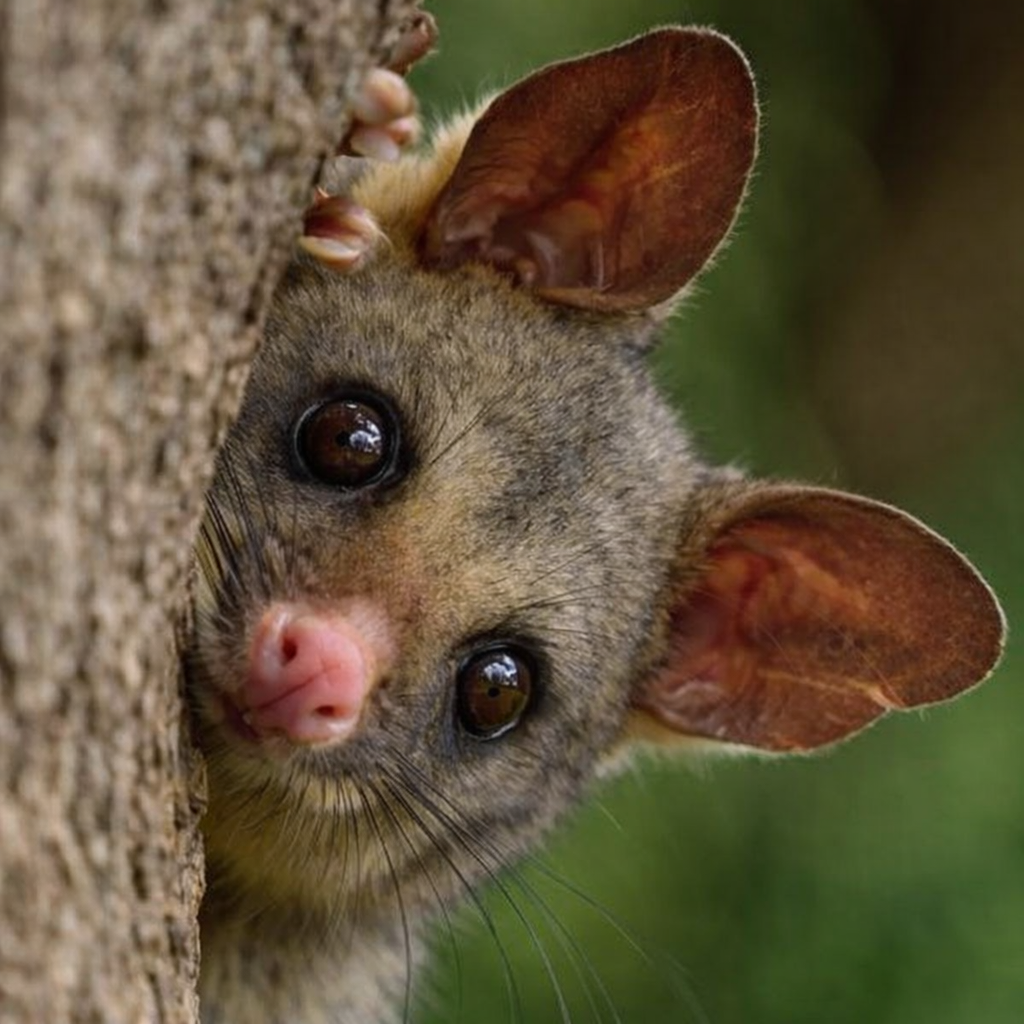
Possum first came onto my radar when William Ellery introduced possum socks. What a strange fiber and why introduce it to your line? Was it for shock or for function? That led me to dig deeper into why this fiber exists and how it’s sourced.
Possum fiber occupies a rare and often misunderstood place in the world of natural materials. Soft, lightweight, and exceptionally warm, it performs like a luxury fiber—yet it exists because of an ecological crisis rather than a traditional farming system.
Sourced exclusively from wild brushtail possums in New Zealand, possum fiber is inseparable from conservation. It is not farmed, cultivated, or expanded through demand. Instead, it is a byproduct of government-mandated population control programs designed to protect fragile native ecosystems.
For brands, possum fiber represents a complex but powerful opportunity: to engage with a material that requires nuance, transparency, and restraint—and to demonstrate that responsible sourcing is not always simple, but it can be deeply intentional.
This guide is designed to help brands understand possum fiber in context, navigate its supply chain responsibly, and determine whether it aligns with their values, products, and long-term sustainability commitments.
Possum in Context: Ecology, History, and Responsibility
Brushtail possums were introduced to New Zealand in the mid-1800s as part of the fur trade. With no natural predators and a highly adaptable diet, possum populations exploded, spreading rapidly across native forests.
Today, possums are considered one of New Zealand’s most destructive invasive species. They:
Strip forest canopies by feeding on native trees
Prey on native birds, eggs, and chicks
Compete with endemic species for food and habitat
Contribute to widespread biodiversity loss
Left unmanaged, possums cause irreversible ecosystem damage. As a result, population control is a legally mandated conservation effort, not a market-driven activity.
The existence of possum fiber is therefore a consequence of environmental responsibility—not consumer demand.
For brands, sourcing possum fiber is not participation in an industry—it is participation in a conservation system.
The Production Journey & Supply Chain Reality
Unlike alpaca, wool, or camel hair, possum fiber does not originate from farms or herds. Its supply chain begins with conservation.
Sourcing
All possum fiber comes from:
Wild possums
Already culled as part of official population control programs
Operated under New Zealand wildlife and animal welfare regulations
Responsible brands must work exclusively with New Zealand–based suppliers who can demonstrate full traceability and regulatory compliance.
Animal Welfare & Ethical Context
Possum fiber is collected only after animals have been humanely culled. Ethical standards require:
Licensed, trained operators
Approved trapping and dispatch methods
Rapid loss of consciousness
Strict adherence to animal welfare guidelines
There is no breeding, farming, or captivity involved.
This distinction is essential:
Possums are not raised for fiber
Demand does not increase killing
Farming possums would directly undermine conservation goals and is prohibited
The fiber is a byproduct of an intervention that already exists to protect ecosystems.
Processing
The possum undercoat is:
Carefully separated from guard hairs
Cleaned and processed at small scale
Typically blended with merino for strength and elasticity
Processing is localized, and supply is inherently limited by conservation needs—not scalability.
The Ethical Dilemma: A Different Kind of Responsibility
Unlike alpaca or camel hair, the ethical challenge with possum fiber is not farmer exploitation—it is narrative misuse and overcommercialization.
Key Risks for Brands
Treating possum as a trend fiber
Oversimplifying or sanitizing the conservation context
Scaling demand without regard for ecological limits
Using possum fiber without clear consumer education
Because possum fiber exists within a sensitive ecological framework, how brands communicate matters as much as how they source.
The Responsible Brand’s Role
Brands working with possum fiber should operate with restraint and clarity.
Best-Practice Commitments
Work only with verified, transparent suppliers
Maintain full traceability from cull to finished product
Use possum in limited, intentional applications
Communicate the conservation reality honestly—without greenwashing or sensationalism
Possum fiber is not about abundance. It is about appropriate use.
Material Performance & Product Fit
When used correctly, possum fiber offers exceptional performance.
Functional Properties
Extremely soft, fine undercoat
Hollow fibers provide superior warmth without bulk
Naturally breathable and moisture regulating
Blends
Possum is almost always blended—most commonly with merino—to:
Improve durability
Enhance elasticity
Support long garment life
This makes possum well suited for:
Knitwear
Insulating layers
Cold-weather accessories
It is not appropriate for disposable or trend-driven products.
Circular Economy Alignment
Possum fiber aligns with circular design principles when brands commit to longevity.
Designed for durability: High-performance blends extend garment life
Repairable: Knit structures allow for mending and care
Biodegradable: As a natural protein fiber, possum decomposes at end of life
Conservation benefit: Each product supports invasive species mitigation
Circularity here is not about volume—it is about responsible participation.
Building a Responsible Possum Portfolio
There is no single certification equivalent to RAS for possum fiber. Due diligence is essential.
Brands should require:
Full supply-chain documentation
Proof of compliance with New Zealand conservation and welfare laws
Clear fiber composition labeling
OEKO-TEX® Standard 100 for chemical safety
Transparency replaces certification in this system.
Closing Thought: Possum Requires Nuance
Possum fiber challenges the idea that sustainable materials are clean, simple, or comfortable to explain. It requires brands to engage with ecological complexity and to communicate honestly—without turning conservation into a marketing hook.
When approached with care, possum fiber is not just a luxury material. It is a conservation-linked solution that reflects accountability, restraint, and respect for natural systems.
Possum Fiber Sourcing Directory
New Zealand
Possum fiber is a conservation-linked material sourced exclusively from wild brushtail possums as part of New Zealand’s invasive species management programs. Because the fiber exists within a tightly regulated ecological and ethical framework, sourcing possum requires working with experienced, transparent partners embedded in New Zealand’s supply chain.
The following stakeholders, spinners, and manufacturers are actively working with possum fiber and prioritize animal welfare, traceability, and responsible production.
Mills & Yarn Spinners
Woolyarns Ltd (New Zealand)
https://www.woolyarns.co.nz
Woolyarns is the foundational spinner of possum fiber, having developed the first commercial possum yarn blends in the early 1990s. The mill specializes in engineered possum blends—most commonly possum–merino, possum–cashmere, and possum–silk—designed for warmth, durability, and softness. Woolyarns works directly within New Zealand’s regulated possum collection system and remains the primary industrial hub for possum spinning.
Best for:
Brands seeking scalable, export-ready possum yarn
Technical blends for knitwear and accessories
Wild Earth Yarns (New Zealand)
https://www.wildearthyarns.co.nz
A boutique New Zealand spinner producing small-batch natural fiber yarns, including possum blends. Wild Earth focuses on artisanal quality and transparency, making them a strong option for designers and brands working on limited runs or storytelling-driven collections.
Best for:
Small-batch collections
Craft-forward or artisanal knitwear