CRAiLAR®: Cottonizing Bast Fibers Through Enzymatic Innovation
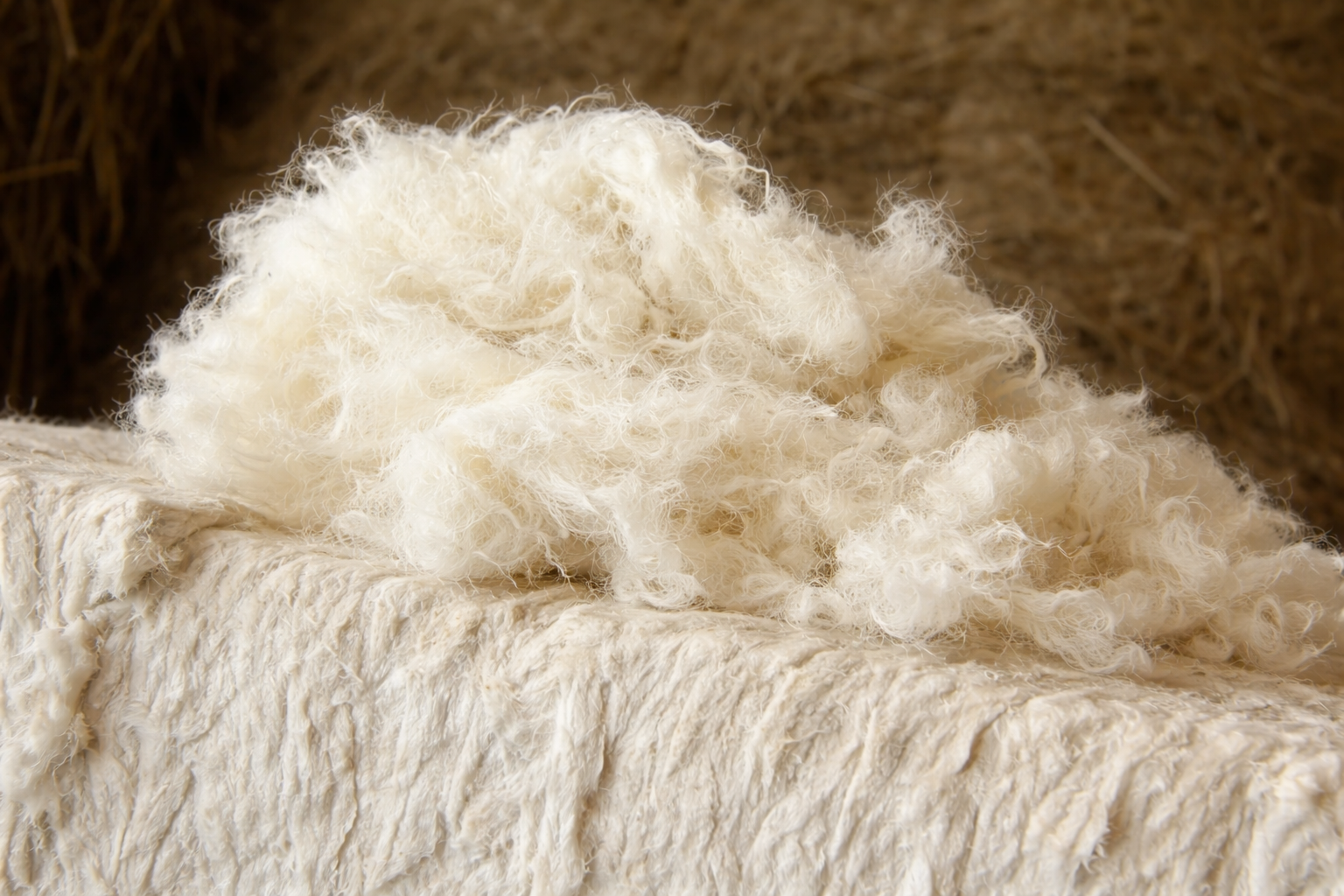
CRAiLAR® is not a new fiber — it is a processing innovation developed in the early 2010s to unlock the full potential of bast fibers such as flax and hemp. Long valued for their low agricultural impact and strength, these fibers have historically been limited by one major drawback: stiffness.
CRAiLAR was created to solve that limitation at the processing level. Using enzymatic treatment rather than chemical regeneration, the technology transforms traditionally coarse bast fibers into soft, cotton-like material suitable for apparel. While no longer a widely visible commercial fiber today, CRAiLAR remains an important foundational case study in how enzyme-based processing can reshape natural fibers — revealing both the promise and the limitations of processing-led sustainability.
CRAiLAR at a Glance
CRAiLAR® is a patented enzymatic process that transforms bast fibers such as flax and hemp into a soft, strong, and breathable material with cotton-like qualities — without chemical regeneration.
By enzymatically removing the natural gummy pectin and lignin that bind bast fibers together, CRAiLAR creates fibers that can be spun on conventional cotton machinery and blended with other textiles. The resulting material performs comparably to — and in some cases exceeds — conventional cotton, while avoiding many of cotton’s most significant agricultural impacts.
Key distinction: CRAiLAR modifies fiber structure, not chemistry. The resulting fiber remains 100% plant-based cellulose.
What Is CRAiLAR?
CRAiLAR® is a patented enzymatic processing technology developed by CRAiLAR Technologies Inc. (formerly Naturally Advanced Technologies) in collaboration with Canada’s National Research Council.
Rather than relying on harsh chemical retting or intensive water processing, CRAiLAR uses natural enzymes to selectively break down the pectin and lignin that make flax and hemp fibers stiff. This process — often described as “cottonization” — separates fiber bundles into fine, pliable, spinnable fibers that closely resemble cotton in handfeel and performance.
Because the cellulose itself is not chemically altered, CRAiLAR fibers remain fully natural, breathable, and biodegradable.
From Plant to Textile: How the CRAiLAR Process Works
Cultivation & Harvesting
Flax and hemp are fast-growing, low-input crops that typically require minimal irrigation, pesticides, or fertilizers.Decortication
The harvested stalks are mechanically processed to remove the woody core and isolate the fiber-rich bast.Enzymatic Cottonization (CRAiLAR Process)
The bast fibers are treated with a proprietary enzyme wash that gently dissolves the pectin and lignin responsible for stiffness — without chemical regeneration.Washing & Drying
Fibers are rinsed to remove residual enzymes and gums, then dried, resulting in soft, individualized fibers.Spinning & Fabric Formation
The cottonized fibers can be spun on existing cotton machinery and woven or knitted into fabrics for apparel, home textiles, and other applications.
What Problems CRAiLAR Was Designed to Solve
The Cotton Problem
Conventional cotton is one of the most resource-intensive fibers in the apparel industry, requiring heavy irrigation, synthetic fertilizers, pesticides, and significant land use.
The Bast Fiber Performance Gap
Historically, flax and hemp fabrics were stiff, prone to wrinkling, and limited in apparel applications. CRAiLAR was developed to close this performance gap and make bast fibers viable in cotton-dominated markets.
The Retting Issue
Traditional water retting can pollute waterways, while chemical retting exposes workers and ecosystems to hazardous substances. Enzymatic processing offered a lower-impact alternative.
Sustainability Benefits
Substantially lower water use compared to irrigated cotton
Reduced pesticide and herbicide requirements due to resilient source crops
Enzymatic processing avoids harsh chemical degumming
Strong dye affinity, potentially reducing dye and energy inputs
100% plant-based and biodegradable fiber
USDA BioPreferred® designation for renewable content
Environmental Considerations & Circularity
CRAiLAR represents a meaningful improvement over conventional cotton and traditional bast fiber processing — but it is not a fully circular material system.
As a processing innovation, CRAiLAR was not developed as a closed-loop system, and the process itself is not certified organic. While enzyme-based degumming significantly reduces chemical intensity, there remain opportunities to improve water recovery, input recirculation, and end-to-end traceability.
From a circularity perspective, it is also important to distinguish biodegradability from material circularity. CRAiLAR fibers are fully plant-based and biodegradable, but like most natural fibers, they still rely on ongoing agricultural production rather than recirculating existing materials. Some circular economy frameworks view this reliance on virgin biomass as a limitation.
That said, compared to conventional cotton, CRAiLAR-processed flax and hemp generally require far fewer pesticides, herbicides, and irrigation, and avoid the water pollution risks associated with traditional retting methods.
CRAiLAR is best understood as a transitional material solution — one that reduced harm, highlighted system gaps, and helped establish enzymatic processing as a viable pathway the industry continues to build on today.
End of Life & Circular Potential
Fully biodegradable and compostable
Does not shed plastic microfibers
Durable fiber structure supports longer product lifespans
Why CRAiLAR Still Matters
CRAiLAR’s relevance today lies less in its current market presence and more in what it proved possible.
The technology demonstrated that enzymatic processing can dramatically change fiber performance without altering fiber chemistry — an insight that continues to inform newer bio-based, low-impact, and enzyme-driven textile innovations.
As the industry explores advanced enzymatic systems, alternative biomass inputs, and improved closed-loop processing, CRAiLAR stands as an early reference point: imperfect, influential, and instructive.
For brands navigating the transition away from resource-intensive fibers, CRAiLAR offers a critical lesson — progress doesn’t come from perfect materials, but from understanding systems and building on what already works.