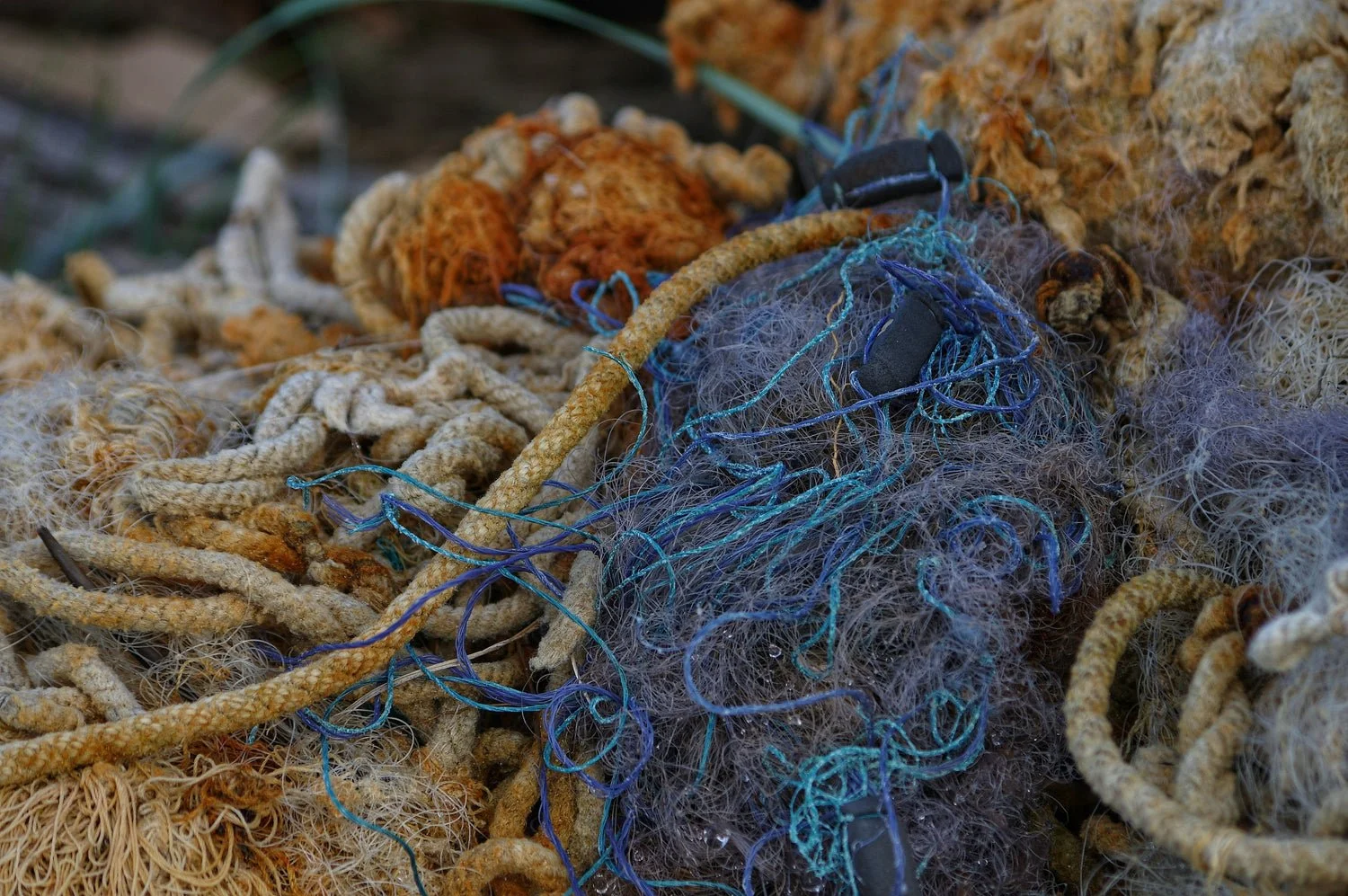
Material decisions aren’t isolated—they influence water, soil, biodiversity, and supply-chain livelihoods. This guide encourages a zoomed-out perspective so brands can make choices that regenerate, not just reduce harm.
Materials are more than inputs—they shape a product’s story, footprint, and future. Every fiber reflects the ecosystems it came from, the resources it required, and what will happen at the end of its life. Choosing the right materials is one of the most powerful levers a brand can pull: raw materials often account for 50–70% of a product’s total environmental impact, including emissions, water use, and biodiversity loss.
The Rewildist Materials Guide helps your team navigate that complexity. By understanding where materials originate, how they’re processed, and what they become, you can make decisions that protect biodiversity, respect people and animals, and move your products toward circularity.
WHY MATERIALS MATTER
Major driver of impact: The material stage often accounts for the largest share of a product’s emissions and ecological footprint.
Signals your values: What you choose to use—and what you avoid—defines your brand’s environmental and ethical commitments.
Shapes end-of-life: Materials determine whether a product can be repaired, recycled, composted, or becomes waste.
Selecting the right fiber unlocks pathways for reuse, recycling, and composting. Better materials mean better end-of-life outcomes and a more resilient product ecosystem.
Materials Matter
A guide to materials selection and impact